Wine journal · Mallorca
Starting a vineyard in Mallorca: questions before planting
A practical starting point for a Mallorca vineyard project: purpose, land, permissions, operations and documentation.
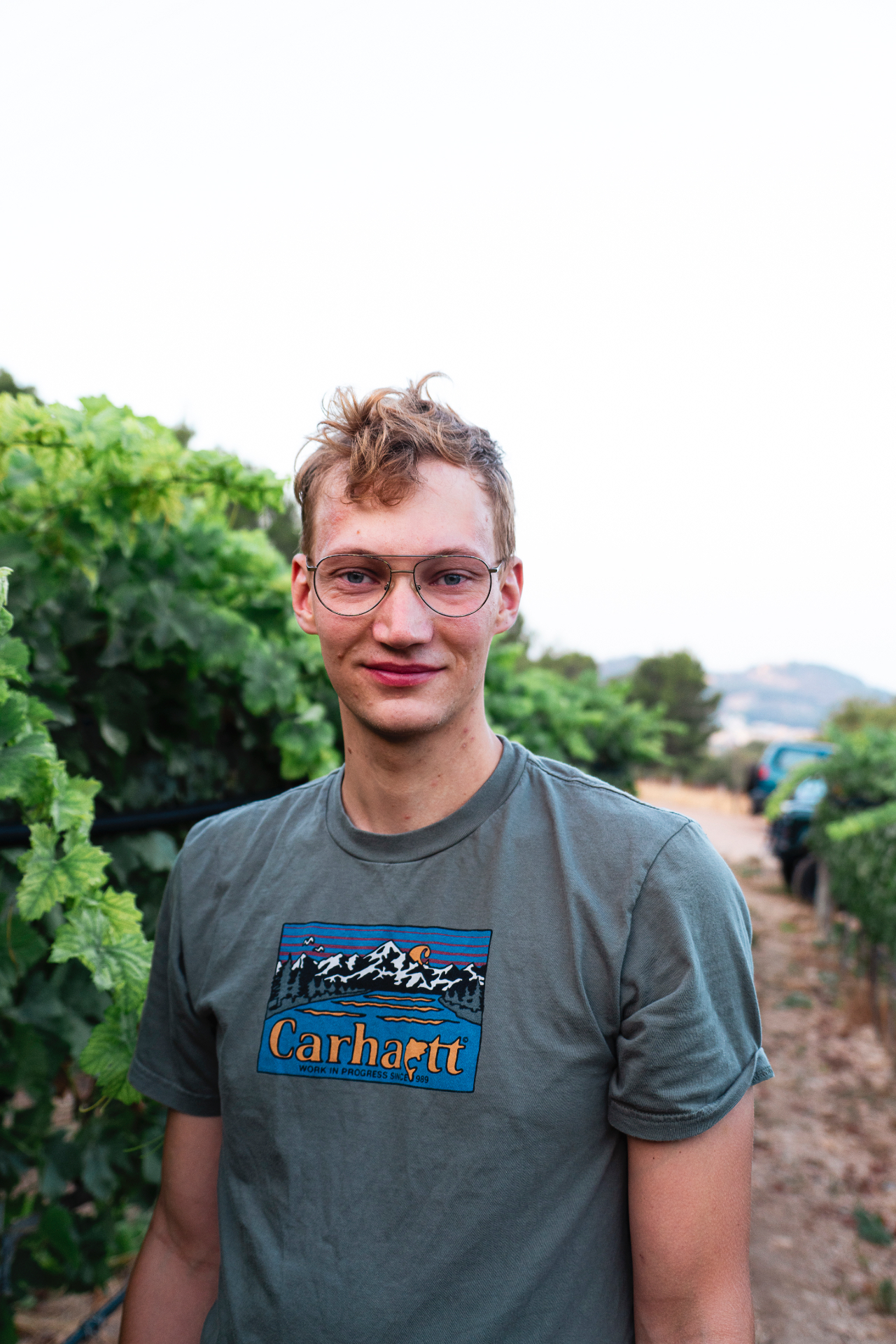
Winemaker and co-founder of Terra IóN, Mallorca
Updated:
Begin with a project brief
Before choosing grapes, put the purpose on one page: who will drink the wine? Is the plan personal use, selling grapes or creating a brand? Who will take daily responsibility? What is still unknown? These answers turn an idea into a project that can be examined.
The sequence below is a preparation framework. A planting decision still requires assessment of the actual land and clarification of the requirements that apply to the project.
1. Clarify the land and application process
The Balearic administration has a procedure for new vineyard plantings. Before ordering vines, ask the agricultural service which route applies to the proposed site. Owning land alone is not a complete project basis. Confirm current deadlines and documents directly with the authority.
Govern de les Illes Balears · Autorización para nuevas plantaciones de viñedo
2. Create a file for the plot
I would collect the site plan, previous use, photographs, existing investigations, access routes and unanswered questions in one place. Use the first visit to observe. Returning after different weather can help challenge an early impression.
Mark each assumption as known, requiring investigation or awaiting a decision. This reveals where the plan rests on evidence and where it rests on expectations. Record existing infrastructure separately from infrastructure that can actually be used.
3. Plan vineyard and winemaking together
Planning does not end at planting. Who will receive the grapes? Where will they be processed and the wine stored? Which tasks will the team perform, and which need a partner? A workflow from vineyard to bottle makes dependencies visible.
Before comparing varieties, I would assemble the intended product, potential partners and the requirements of the intended geographical indication. That gives the comparison a practical purpose.
4. Build a working budget
A single cost estimate says little without the site’s size, condition and operating model. Separate initial purchases, recurring work and unresolved items. Record quantities, the basis of each estimate and who is responsible.
Include time as well as money. Who looks after the site during absences? Who makes decisions when something goes wrong? Which jobs can wait? A named person responsible for each task is more useful than an optimistic schedule.
5. Keep a decision record
Start with four fields: question, available information, chosen option and review date. Include the alternatives considered and why they were rejected. This record can grow with the project and provide the foundation for reliable accounts of practical experience.
Prepare for the next conversation
I would bring these documents to an initial technical discussion:
- A brief describing the purpose and operating model.
- A plot overview with existing documents and outstanding investigations.
- Written clarification of the relevant authorities and procedures.
- A workflow covering farming, processing and sales.
- A budget that identifies assumptions rather than promising returns.
Sources and further reading
Read more
Winegrowing in Mallorca: site, grapes and vineyard decisions
Understanding Mallorca wine through origin, grape varieties and practical questions about soil, water and vineyard management.
Sustainable wineries in Mallorca: a closer look
How to assess claims about sustainable winegrowing: evidence, specific practices and questions for a winery visit in Mallorca.